Tuesday, 31 July 2018

Samsung is losing ground in the mobile industry. What can it do to stay on top? https://ift.tt/2yzMuvS

It hasn’t been the greatest year for Samsung. While it’s true that the company is still pulling in billions in revenue and the Samsung Galaxy S9 Plus is the most popular Android smartphone of the year so far, there’s likely not much celebrating going on at Samsung HQ.

Things started to go wrong in late 2017 when Apple took the top spot in the United States for smartphone market share, and Xiaomi overtook Samsung as the smartphone king of India. Samsung tried to deny the latter feat for a while before it was independently confirmed in January of this year.

In further Indian woes, earlier today we learned that young startup Chinese company OnePlus has the most popular premium smartphone in India — the OnePlus 6 — which bested Samsung for the first time ever.
Editor's Pick

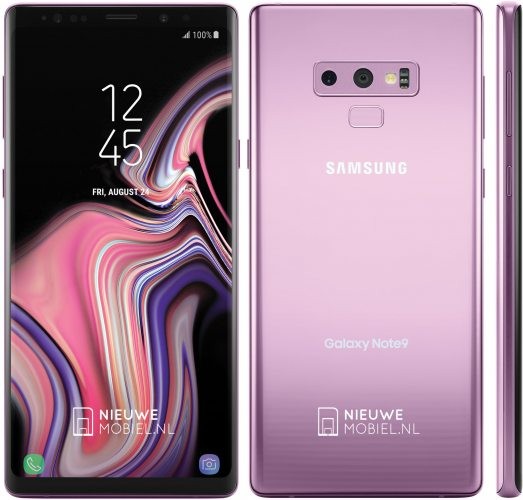
Although the popularity of the Samsung Galaxy S9 can’t be denied, the phone is not doing as well as previous installments in the Galaxy S series. Samsung admitted as much in its recent Q2 2018 earnings report, and also admitted that it pushed up the release of the Samsung Galaxy Note 9 to compensate.

But the Galaxy Note 9 is already getting lambasted in the press for looking like a virtual clone of the Samsung Galaxy Note 8, which is the same criticism thrown at the underperforming Galaxy S9.

If you add these woes to the fact that smartphone sales are flattening across the board, you see that Samsung’s long-held dominance of the industry is by no means certain.

With Sammy in this much hot water, what can the company do to right the ship? Here are three things that would likely help turn the tide.

Better, cheaper budget devices

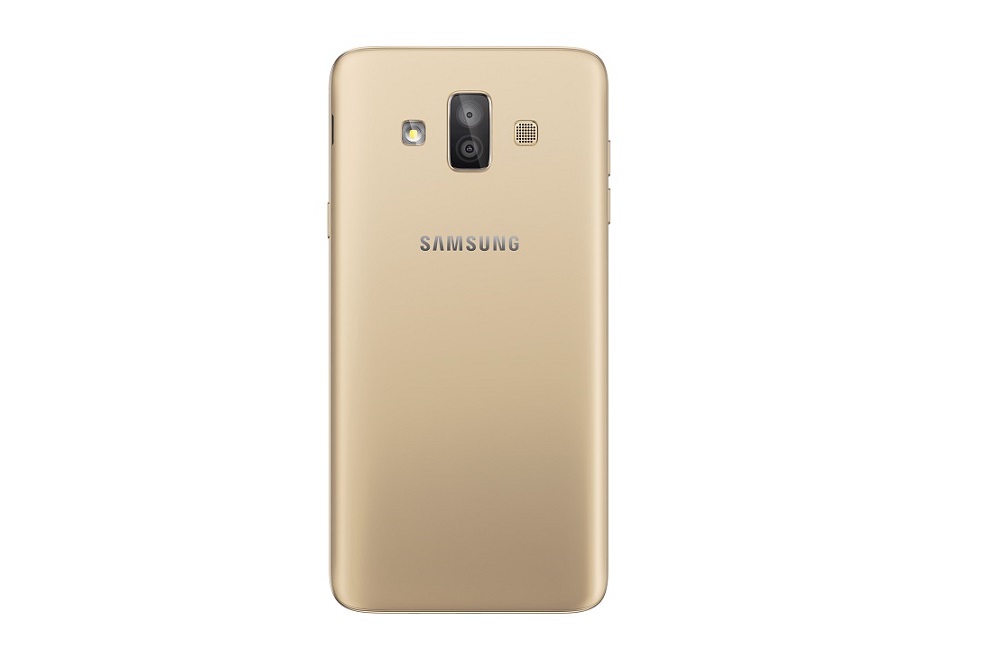
Samsung Galaxy J7 Duo Samsung

There’s a simple reason that Xiaomi and OnePlus are mopping the floor with Samsung in the Indian market: those companies offer better phones at cheaper price points. Samsung needs to follow suit if it wants to earn back its spot at the top.

Granted, the company is making good strides here. It just built a smartphone factory in India — the world’s largest, actually — where it plans to make smartphones geared towards the local market, stamped with a “Made in India” logo.
Editor's Pick

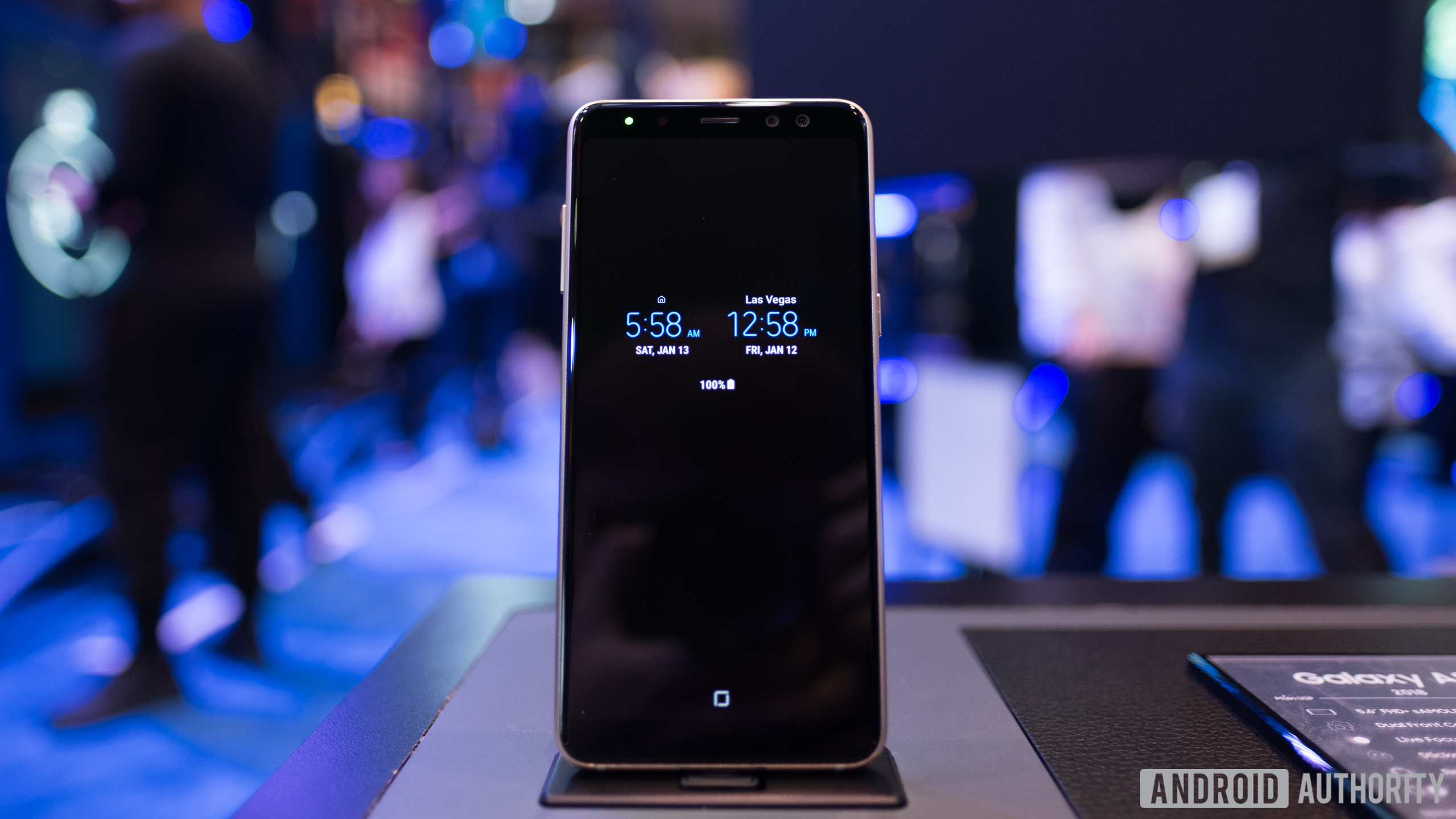
But the most recent string of budget devices — notably the Samsung Galaxy J7 Duo — are anemic compared to similarly-priced devices from competitors. Indian consumers are incredibly price-focused and have no qualms about ditching a name brand like Samsung for something better and cheaper from another company. Samsung needs to understand this if it ever hopes to compete.

Even outside of the booming Indian market Samsung’s competition is getting fiercer by the minute. Xiaomi and Huawei are gobbling up market share in Europe at an astounding rate, and Apple’s rumored new iPhone strategy will likely eat away at Samsung’s piece of the global pie this year into the next.

Samsung is going to have to stop being cocky and start being realistic: just because a device has a Samsung logo on it, doesn’t guarantee people will pay more for it. That may have been true a few years ago, but that’s not going to be a winning strategy anymore.

Streamline the portfolio

The back of the Samsung Galaxy S9 Plus.

If you were to ask Samsung what its primary competitor is globally in the smartphone industry, it would likely say Apple. Let’s see how many smartphones Apple released since 2017: three. I have no idea how many Samsung released in the same time period, but it is probably closer to thirty than it is to three.

Let’s let that sink in: Apple released three phones over the past year and sold more in the United States than Samsung’s dozens.

Granted, Samsung has streamlined its portfolio over the past few years, but it’s simply not enough. If Samsung really is competing with Apple, it needs to make a concentrated effort to fight on the same level as the Cupertino company.

Editor's Pick

Right now, it feels like Samsung is trying to compete with everyone at the same time and spreading itself too thin.

Companies like Xiaomi and Huawei are young and ready to take risks to win. They are not nearly as concerned with profit margins because their investors know these are the early years. But Samsung’s shareholders have been invested for decades and want profits to go up every quarter, so Samsung can’t stretch itself nearly as thin as other organizations.

Samsung should cut its portfolio down to a more manageable size and focus its efforts on marketing a few awesome devices at terrific price points within the flagship, mid-range, and budget sectors. That’s what will beat Apple and that’s what will keep the company competitive with younger companies across all markets.

Take more risks

Over the past year, we’ve seen some incredible innovation from a whole lot of companies that aren’t Samsung.

The Vivo Nex is arguably the most exciting smartphone to see public release in half-a-decade, with its all-screen display, pop-up selfie camera, and in-display fingerprint sensor. No phone on the market is as interesting, new, and eyebrow-raising as the Nex.

The Oppo Find X similarly sports a unique design that makes the device stand out from the crowd.

The Huawei P20 Pro is one of the most popular smartphones of the year with its three camera lenses on the rear and its unique color scheme.
Editor's Pick

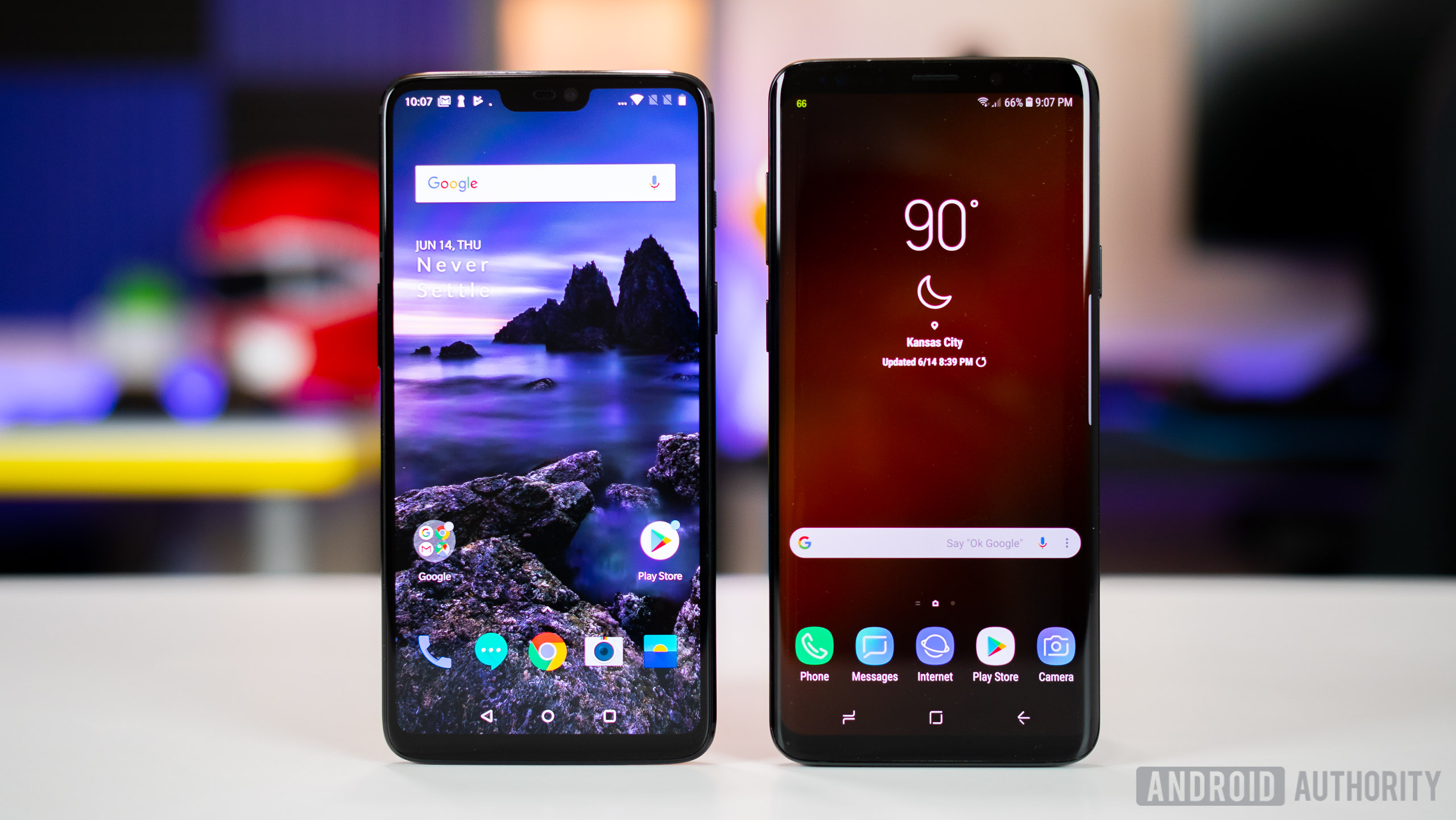
Even the OnePlus 6 delivers pretty much every important feature of a flagship smartphone for hundreds less than a similar Samsung flagship. For example, our cage match between the OnePlus 6 and the Galaxy S9 Plus resulted in data so close it’s hard to declare a clear winner.

There’s nothing these phones (and others) do that Samsung can’t also do. It’s just not doing them because it’s trying to stay safe. Even in the case of the ever-popular (and equally detested) notched display design, Samsung hasn’t released a phone with the feature. One could argue this is Samsung boldly going against the trend, but it’s easy to also argue that the company simply wasn’t prepared for the trend to take off as much as it has.

On the plus side, we know Samsung has a foldable phone coming soon. We also have lots of rumors pointing to the Samsung Galaxy S10 sporting some of these new and innovative features. But will it be enough, or will it be too little too late?

Samsung is not too big to fail

Some might read this article (or simply read the headline) and rush straight to the comments to tout that Samsung is not going anywhere. The argument that the company is too large and far too established to have to worry seems solid.
Editor's Pick

But we’ve seen plenty of smartphone companies that were once titans crumble to shells of their former selves. HTC used to be a top-five smartphone company, and now it’s not even in the top ten and still losing ground at an astounding rate. Motorola isn’t having the greatest year either, and neither is LG.

These aren’t tiny companies — these are major competitors! Just because Samsung has been top-dog for years doesn’t make the company immune. It’s losing ground in America, it’s losing ground in India, it’s losing market share to younger, riskier companies, and its golden goose — the Galaxy S line — is losing ground everywhere.

Samsung is not invincible, and its strategies going forward need to reflect that truth.

NEXT: A guide to Samsung’s Exynos processors


from Android Authority https://ift.tt/2NXXCXS

Windows on the Snapdragon 850: 5 reasons why you should wait for it https://ift.tt/2AofWra

Full disclosure: When he’s not covering mobile tech of a different sort over at our sister site Dgit, Steven works at Qualcomm.

Qualcomm and Microsoft have teamed up to bring an all-new (ish) experience to consumers with their “Always on, Always connected PCs” using the Qualcomm Snapdragon 850 processor. This idea is nothing new. Intel tried — and failed — many times. Now it seems the revived partnership of Windows and Qualcomm finally got it right.

Three devices are already run Windows on Snapdragon (called WoS devices), using the Snapdragon 835 SoC:

Amazon ASIN: HP Envy B07C7XY7GS

Amazon ASIN: Lenovo Miix 630 B07C8BJ1NT

Amazon ASIN: Asus NovaGo B07CYX3DG8

Despite that, you should wait for the Snapdragon 850 computer-optimized processor. Here are five reasons why.

Microsoft hasn’t made its WoS device yet.

Personally, I think this is by far the most important reason. While Asus, HP, and Lenovo all make great notebooks and PCs, they don’t have the advantage Microsoft does — designing both hardware and software. Sure, it’s not quite the optimized software and hardware approach of Apple, but it’s certainly close. Microsoft and Qualcomm have worked very closely on this initiative and aren’t going to release a product until it is well polished, refined, and ready for prime time.

*Note: Microsoft is not designing the SoC, but working closely with Qualcomm on the design to adapt a mobile ARM processor to work in a x86 emulated environment with almost 1:1 performance.

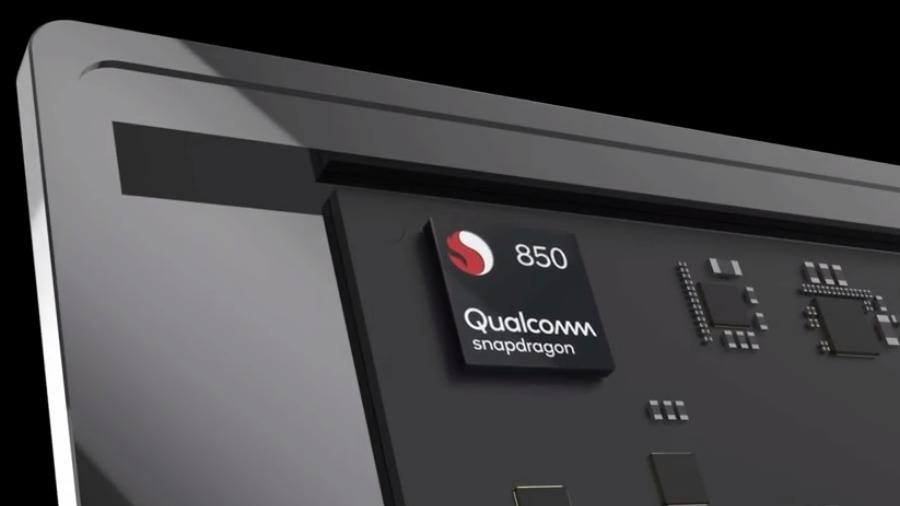
The Snapdragon 850 is a notebook and PC-optimized Snapdragon 845

It’s not just that the 845 is beefier than the 835. The 850 is a tweaked version of the 845, specifically made for this purpose. The chip apparently sports a 30 percent boost in performance, 20 percent better battery life and 20 percent faster data speeds (peak) over the 835. Furthermore, the 850 is built on a 2nd generation node at 10nm, same as the 845, paired with the new and improved X20 modem.

These improvements should be taken with a grain of salt — powering a notebook or a PC is a lot harder than a smartphone. However, if the 835 on the first three WoS devices is any indicator, the 850 do just fine.

Battery life

We all know how much it sucks to crunch out work on a notebook, when that inevitable low battery indicator flashes up. Even the most power-efficient notebooks run out of juice sometimes.

This is where the Snapdragon 850 is going to be a game changer.

The 850 bridges the gap between the horsepower needed for notebook level compute power and the multitasking mobile experience we enjoy on our smartphones. Coupled with Microsoft’s software prowess and optimization efforts, Snapdragon 850-powered Windows PCs should get more than 20 hours of real world battery life.

Hell, the 835-powered WoS devices already get that much, if not more. The 850 might actually last even longer.

Seamless transfer from Wi-Fi to LTE

This is possibly the most exciting aspect of the WoS overall, but even more so with the Snapdragon 850.

Cellular connectivity is not a new concept to Intel powered Windows devices, by any means. It’s just that historically they have all been crappy.

Microsoft doesn’t need to worry about integrating the X20 LTE modem, since Qualcomm did it. Qualcomm regularly releases reference designs for its customers. Operators like Sprint already offer excellent data plans on WoS devices.

Lastly, the connectivity experience will be the first of its kind. In theory, you’ll be able to work in an airport lounge on Wi-Fi, hopping in your Uber for your ride home, and keep working on 4G LTE without even missing a beat. Upon arriving home you’ll reconnect to Wi-F and you won’t even be able to tell.

Software support: If you build it, they will come

Like any disruptive technology it takes time to develop a robust and comprehensive ecosystem in which to thrive. Software developers will need to recompiling and modifying their x86 versions to work in an ARM environment, which will unquestionably take time. However, it is in the best interest of Qualcomm and Microsoft to make this process as smooth and straightforward for software developers as possible.

By gettingt WoS out and running on the 835 earlier this year, developers got to see what the process was like, and Microsoft got a chance for feedback on how to improve. With new SDKs and 64-bit app support rolling out soon, it seems like just a matter of time before WoS supports all your favorite apps.

What do you think about Windows devices being powered by the Snapdragon 850? Drop a line in the comment box below and add to the conversation!


from Android Authority https://ift.tt/2mXMOO3

Honor Note 10 now official with massive 6.95-inch display, gaming focus https://ift.tt/2LPt6SQ

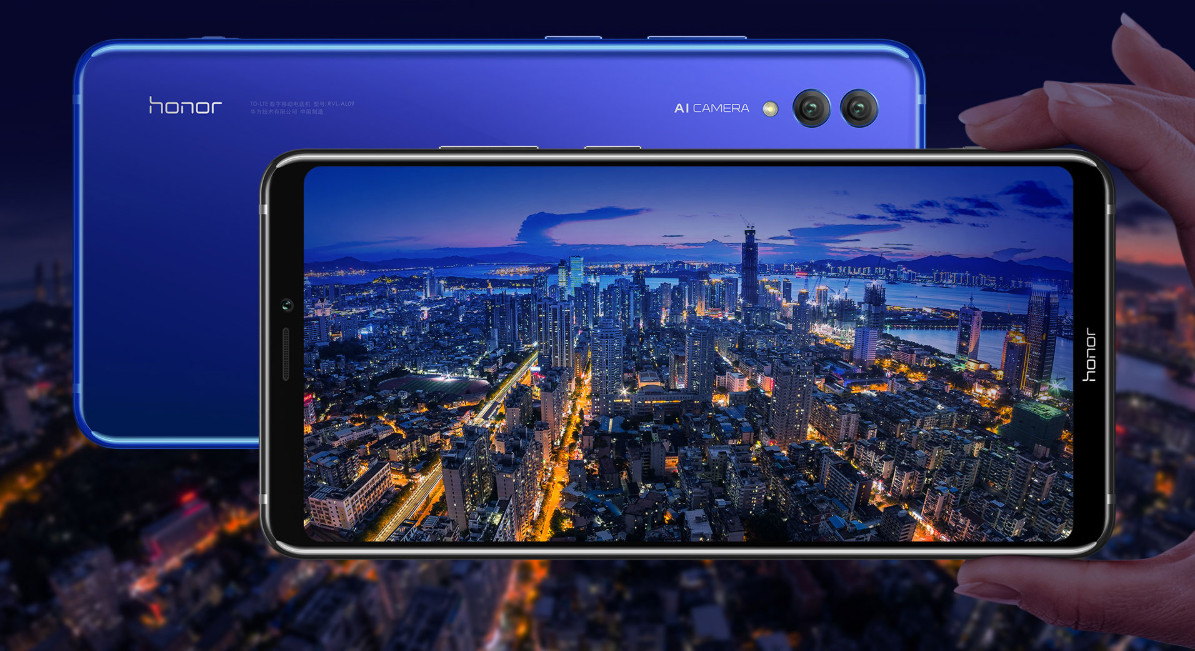
The Honor Note 10. Honor

  • The Honor Note 10 has been launched in China, packing flagship specs and a large, 5,000mAh battery.
  • Honor’s new device also stands out thanks to its gigantic, 6.95-inch AMOLED screen.
  • The new phone offers a performance mode, which is activated via a hardware key.

It’s been two years since the last Honor Note device was launched, but fans can now look forward to another massive phablet from the Huawei sub-brand with the Honor Note 10, which was announced in China today.

The Honor Note 10 packs flagship-level horsepower thanks to a Kirin 970 chipset, 6GB to 8GB of RAM, and 64GB or 128GB of expandable storage. The brand seems to be targeting the gaming market too, owing to the use of “liquid cooling” to keep the internals from running hot.

The gaming focus extends further than the cooling method, as the phone has a dedicated turbo key to enable a performance mode. And yes, Huawei’s much-hyped GPU Turbo enhancement for better gaming performance is also here.

Read: Honor 10 review — Reflections of a flagship

But the phone’s biggest selling point (quite literally) is the 6.95-inch display (full HD+ AMOLED, 18.5:9), which is drifting incredibly close to full-blown tablet territory. The display size suggests Honor is hoping to attract users who might want a little more power than the likes of the similarly large Mi Max 3.

The large screen means a large body, and a large body generally means a big battery. The Honor Note 10 doesn’t disappoint here either, packing a 5,000mAh cell that should deliver two days of solid usage without much of a sweat. The phablet supports fast charging (5V/4.5A) to full capacity in 1.7 hours, according to Honor.

What else does it have?

The Honor Note 10. The Honor Note 10.

The Honor Note 10 has some solid camera credentials too, serving up a 24MP monochrome and 16MP RGB camera pairing (f/1.8) and a 13MP f/2.0 selfie shooter. The phone also supports smart scene recognition and so-called “AI stablization” for night mode shots.

Then again, if “AI stabilization” is anything like the P20 series, it’s just a fancy term for accurate image stacking and stitching. Those hoping for proper optical image stabilization are out of luck too, so you’d better just hold your phone as still as possible.

Editor's Pick

Other noteworthy features include a rear fingerprint scanner, Bluetooth 4.2 (instead of Bluetooth 5.0), NFC, reverse charging, hybrid SIM slots, and EMUI 8.2 atop Android 8.1 Oreo.

Unfortunately, it doesn’t have a water-resistant body, headphone jack, or wireless charging support. At least one or two of these features would’ve been welcome, but having all three absent is a bitter pill to swallow. Then again, the device doesn’t have traditional flagship-level pricing…

You can expect to pay 2,799 yuan (~$410) for the 6GB/64GB model, 3,199 yuan (~$468) for the 6GB/128GB variant, and 3,599 yuan (~$527) for the 8GB/128GB version. There’s no word on a global release or regional pricing just yet, but previous Honor Note phones have made it out of the brand’s home nation before, so there’s a good chance we’ll hear more in the coming weeks/months.

What do you make of the Honor Note 10? Let us know your thoughts in the comments.


from Android Authority https://ift.tt/2LFNoP9

Google’s Clock app can now wake you up with Spotify https://ift.tt/2LDsXCy

Most of us use our phones for alarm clocks in the morning, but normal alarm sounds can be so… alarming. If you happen to use the Google Clock app, you’ll be happy to hear that you can now wake up to your favorite tunes on Spotify.

That’s right — Google is adding Spotify integration to its Clock app this week. After your phone receives the update, you’ll see a new Spotify tab in the Clock app, right next to the Sounds tab. Swipe over to that tab, and you can select whichever songs or playlists you’d like to wake up to.

After switching off your alarm, you’ll have the option to switch the music off for good, or keep listening throughout your day. That sounds pretty handy.

The best part? You don’t even need a premium subscription for this to work. Both Spotify premium and free users can wake up to their favorite songs with this new integration.

Spotify support will roll out globally this week in the Play Store, and will work on all devices running Android Lollipop and above.

This is exciting news for anyone who doesn’t like waking up to “normal” alarm sounds, but it’s interesting that Google is adding Spotify support instead of its own Play Music or YouTube Music apps. We’re hoping the company adds more music services in the future, but for now, this is a great start.


from Android Authority https://ift.tt/2ACMoqf

Deal: Get a Moto X4 for only $200 (Compatible with Project Fi) https://ift.tt/2zxxJaw

One of the major drawbacks of Google’s incredibly powerful wireless company Project Fi is the very small list of compatible devices. What’s worse, of the devices that Project Fi does accept, there aren’t many cheap ones.

However, one of the budget models that Project Fi supports is on sale right now at Newegg for only $200: the Motorola Moto X4.

To be clear, this is an unlocked model and will work on any of the “Big Four” carriers in the United States (and a large selection of other carriers worldwide). But while you can find tons of budget devices to work on those carriers, you’re not going to find many phones to use on Project Fi for the $200 price that Newegg is asking.

Editor's Pick

There are actually two versions of the Motorola Moto X4: a “vanilla” version and an Android One version. The Android One version is available direct from Project Fi if you’re interested in that, but the Newegg sale is for the vanilla version.

The Motorola Moto X4 ships with Android 7.1 Nougat, 3GB of RAM, 32GB of storage, a Snapdragon 630 processor, a 3.000mAh battery, and Bluetooth 5.0. There’s a 12MP camera on the rear and a 16MP, wide-angle selfie shooter on the front. The $200 price is only for the black color option.

You’ll need to use a discount code to get $100 off the asking price of $300. Use the code EMCPWSE22. Unfortunately, to get the deal you’ll have to opt-in to the Newegg mailing list.  But don’t worry, you can just opt-out after your transaction is complete.

Click below to go to the Newegg listing. And remember to enter EMCPWSE22 at checkout!


from Android Authority https://ift.tt/2mZfGFR

OnePlus 6 camera review https://ift.tt/2LW715a

In our OnePlus 6 review we described the  phone as a possible spiritual successor to the Nexus lineup, because it brings forth a premium experience at a hard-to-beat price. Nexus, and eventually Pixel devices evolved in features, specs, prices, and especially camera quality. Has the OnePlus 6 done the same?

OnePlus cameras aren’t typically considered outstanding. These shooters have never been up to par with the best in the industry, and the OnePlus 6 camera no exception. It’s good at being average. You can’t ask for top-tier performance from a phone starting at $529, especially considering how few design compromises it features.

The OnePlus 6 packs improved camera components, but are they enough to satisfy your photo needs? I took the OnePlus 6 for a couple days of camera fun around San Diego. Let’s go over how it fared.

Photos have been resized for quicker loading times, but that is the only editing these images have undergone. If you want to pixel peep and analyze the full resolution photos, we have put them in a Google Drive folder for you.

OnePlus 6 camera specs

Rear cameras:

  • 16MP Sony IMX 519 sensor with 1.22μm pixels
  • Æ’/1.7 aperture
  • OIS/EIS
  • 20MP secondary Sony IMX 376K sensor with 1.0μm pixels
  • Dual LED flash
  • 4K at 30 or 60fps, 1080p at 30 or 60fps, 720p at 30fps, Super Slow Motion video at 1080p
  • Shooting modes: Video, Photo, Portrait, Slow motion, Pro Mode, Time-lapse, Panorama, Shutter lag, HDR, 2X zoom

Front camera: 

  • 16MP Sony IMX 371 sensor with 1.0μm pixels
  • Æ’/2.0 aperture
  • EIS
  • 1080p at 30fps, 720p at 30fps

OnePlus 6 camera app

OxygenOS is very much like the stock Android experience found in Pixel devices, and so does the camera app. It looks nearly identical to Google’s app. You are welcomed by a clean viewfinder with three buttons at the bottom: shutter, picture preview, and camera rotation.

The camera app also has a Pro Mode, which many camera buffs will enjoy. In Pro Mode you can control white balance, ISO, shutter speed, exposure, and more. You can move from left to right to switch between video, photo, and portrait mode. There are additional settings along the top, as well as within the preview. Pull up from the bottom (or side, if you are shooting in landscape mode) and you will also find a slew of shooting modes.

There is not much to complain about. The app doesn’t have a ton of bells and whistles, staying true to its plan to keep its software as simple as possible. That doesn’t mean it lacks features, though.

  • Ease of use: 10/10
  • Intuitiveness: 9/10
  • Features: 9/10
  • Advanced Settings: 7/10

Score: 8.8/10

Also read: Smartphone photography tips: 16 handy tricks you should know


Daylight

oneplus 6 camera review oneplus 6 camera review oneplus 6 camera review oneplus 6 camera review

It’s hard to mess up photos taken in broad daylight. The OnePlus 6 did a good job exposing the shot, grabbing detail from the sculptures, capturing texture, and displaying vibrant colors. The sky is bright blue in both instances, and we can see a good amount of detail in the clouds, which is always a feat.

We wish the OnePlus 6 offered better dynamic range. Automatic HDR was turned on for all photos, and in multiple instances detail is pretty much absent in strong shade. Most phones have a hard time with this one, though. Overall, we believe the OnePlus 6 did an exceptional job, just like most good phones in healthy lighting.

Score: 9/10


Color

oneplus 6 camera review oneplus 6 camera review oneplus 6 camera review oneplus 6 camera review

Here is more proof the OnePlus 6 hardware and software are not bad at handling exposure and colors in direct sunlight. In the first couple images we see well-exposed frames, vibrant hues, and overall striking images. However, the camera didn’t handle shade too well here, though it could also be the result of excessive post-processing.

The OnePlus 6 camera produced some pretty photos here, but they looked a bit over processed. The colors are a bit too saturated, and the shades look dark as a result of too much contrast. This makes for a very enticing image with less detail. To say the least, these photos don’t exactly look “true to life.”

Take the camera indoors and things start to change, though. While colors on the third and fourth photos are good, they lack the vibrant hues we saw in direct sunlight. Furthermore, there is a bit of a hazy effect.

Score: 8/10


Detail

oneplus 6 camera review oneplus 6 camera review oneplus 6 camera review oneplus 6 camera review

Most good camera phones can take an image that looks amazing from afar. Start zooming in and all the problems show up. Such is the case with the OnePlus 6 shooter. It captured the texture of the sand well, but zooming in revealed a loss in detail and signs of over-softening.

The same applies to the second image, in which the clearer hair pretty much becomes a white blotch. We can only see good detail in the hair around the eye, where the focus point was. The rest of my guinea pig’s body is blurred out.

The last two shots follow the same pattern, good detail from afar, but closing in doesn’t quite help.

Score: 6/10


Landscape

oneplus 6 camera review oneplus 6 camera review oneplus 6 camera review oneplus 6 camera review

The whole idea of taking a landscape photo is being able to capture a scene with multiple layers and a plethora of elements. The camera needs to do a good job evenly exposing the photo, which can be a bit hard when a strong light source like the sun is in the frame, like the photo to the left.

Given the circumstances, the OnePlus 6 did a pretty good job getting details from the sky and the faraway cliffs in the first image. The rocks in the front are a bit underexposed, but that is to be expected unless you have some heavy-duty HDR. Most phones can’t handle an HDR shot with high contrasting exposure levels (such as this one) very well. Given the circumstances, this is not a horrible shot.

The phone handled the other photos much better. The images are evenly exposed, and we can find pretty good detail even in the shade.

Score: 8/10


Portrait Mode

oneplus 6 portrait mode camera review oneplus 6 portrait mode camera review oneplus 6 portrait mode camera review oneplus 6 portrait mode camera review

Something in the OnePlus 6’s Portrait Mode processing gives images washed out hues, funny color palates, and a heavy amount of softening. We are not the biggest fans of this effect, but these soft backgrounds aren’t horrible.

The OnePlus 6, much most other phones’ Portrait Modes, produces these pictures by determining the distance between objects in a frame using multiple lenses. This is a good technique, but it is not foolproof. Many phones struggle deciding where the draw the line to keep certain objects focused and others blurred out. Zoom in right under the female model’s armpit and you will see part of the background is in focus, when it shouldn’t be, though this is a small mistake, and hardly noticeable.

I must say the OnePlus 6 actually did a good job here. Nothing looked off enough to really catch my attention unless I really looked hard. It even did a good job outlining my hair, which is something only a couple phones have been able to do well. I was going to give this category a score of 6, but the outstanding job outlining subjects gives the OnePlus 6 an extra point.

Score: 7/10


HDR

oneplus 6 camera review oneplus 6 camera review oneplus 6 camera review oneplus 6 camera review

Previously shown photos have proven the OnePlus 6 is not the best at handling dynamic range. For these images I forced HDR on and the results were pretty disappointing.

High dynamic range evenly exposes a frame with multiple levels of light. Traditionally it’s done by mixing multiple photos taken at different exposure levels. The end result was an image with reduced highlights, increased shadows, and an even exposure.

To see HDR performance we have to look closer at the shaded areas of the frame, as well as the more lit ones. It should bring them closer together to make a more evenly exposed shot. In the first image we can see the food truck to the right is too dark, as is the area under the arches, in the back.

The second shot was taken from inside the garage, looking out, where there is direct sunlight. As you can see, HDR performed so poorly part of the ground outside is blown out. The shaded areas in front of the car are also pretty harsh.

Difference in light in the third shot was quite extreme. The sun was blowing in from a window, only iluminating part of the table and the items over it. The OnePlus 6 actually did a very good job with this one, but it is the only shot that kept us satisfied.

Score: 5/10


Food

oneplus 6 camera review oneplus 6 camera review oneplus 6 camera review oneplus 6 camera review

Instagram foodies will be sad in this section. The OnePlus 6 could have definitely done better at shooting these tasty bites. The picture of the In-N-Out burgers is a disaster; the white balance is off, detail is scarce, and the colors are a bit too saturated. The environment and lighting didn’t help much, though, so I decided to give it another shot somewhere else.

I went to Extraordinary Desserts in downtown San Diego, where lighting is leveled and the food was right under downward-pointing bulbs. The OnePlus 6 did a much better job here. You can see detail in the tart’s texture, as well as the burnt cream. The chocolate cupcake doesn’t fall behind, either.

The best shot is probably the one featuring tacos, but the phone didn’t have to work too hard for this one. We were sitting outdoors, where sunlight was plentiful.

Score: 7/10


Lowlight

oneplus 6 camera review oneplus 6 camera review oneplus 6 camera review oneplus 6 camera review

A camera phone’s real capabilities are most apparent in low light. Though the OnePlus 6 wasn’t perfect, it handled itself alright.

Editor's Pick

The picture of San Diego’s skyline has good detail in the buildings — it is better exposed than in real life, to be honest. Everything looked darker in person. We can see some noise, but that’s expected. Personally, I prefer noise to over softening. Detail in the water and clouds is lost, but this is still a very good-looking shot.

In the right we can see “Nude” by Christian Rohlfs, a painting in the San Diego Museum of Art. I liked it as a test shot mostly because the brushstrokes were very pronounced, and the lighting around the frame was scarce. I like how much of the painting’s detail the OnePlus 6 managed to grab, but that’s about all it did well. The shadows under the frame are way too harsh, and in the left side there should be a wall corner — it’s only visible if you stare at the picture for a long time, and very closely.

The last two photos were shot in a park, with artificial yellow light, which is obviously apparent. The camera had a hard time finding white balance in these shots, not to mention loss of detail in the flowers, as well as under shades.

Score: 7.5/10


Selfie

oneplus 6 camera review oneplus 6 camera review oneplus 6 camera review oneplus 6 camera review

Selfies with the OnePlus 6 are passable, but nothing extraordinary. They are well exposed and color reproduction is accurate, which is already a win in terms of front-facing camera standards. There is some artificial softening going on here, as well as problems properly exposing the desserts. However, it’s a selfie camera — a drop in quality is to be expected.

Score: 8/10


Video

A combination of OIS and EIS makes fore a rather smooth video. Sure, you can see the swings from side to side when recording while walking, but similar tests on other phones look very jittery. It is not up there with the best of them either, though.

Colors are vibrant and blacks are deep, but not over the top. Things also look pretty crisp. OnePlus managed to capture a look that seems closer to real life than other over-processed samples from competitors. We can’t find much to complain about, but we also don’t see anything to write home about. It is a pretty average video shooter.

Score: 7/10


Conclusion

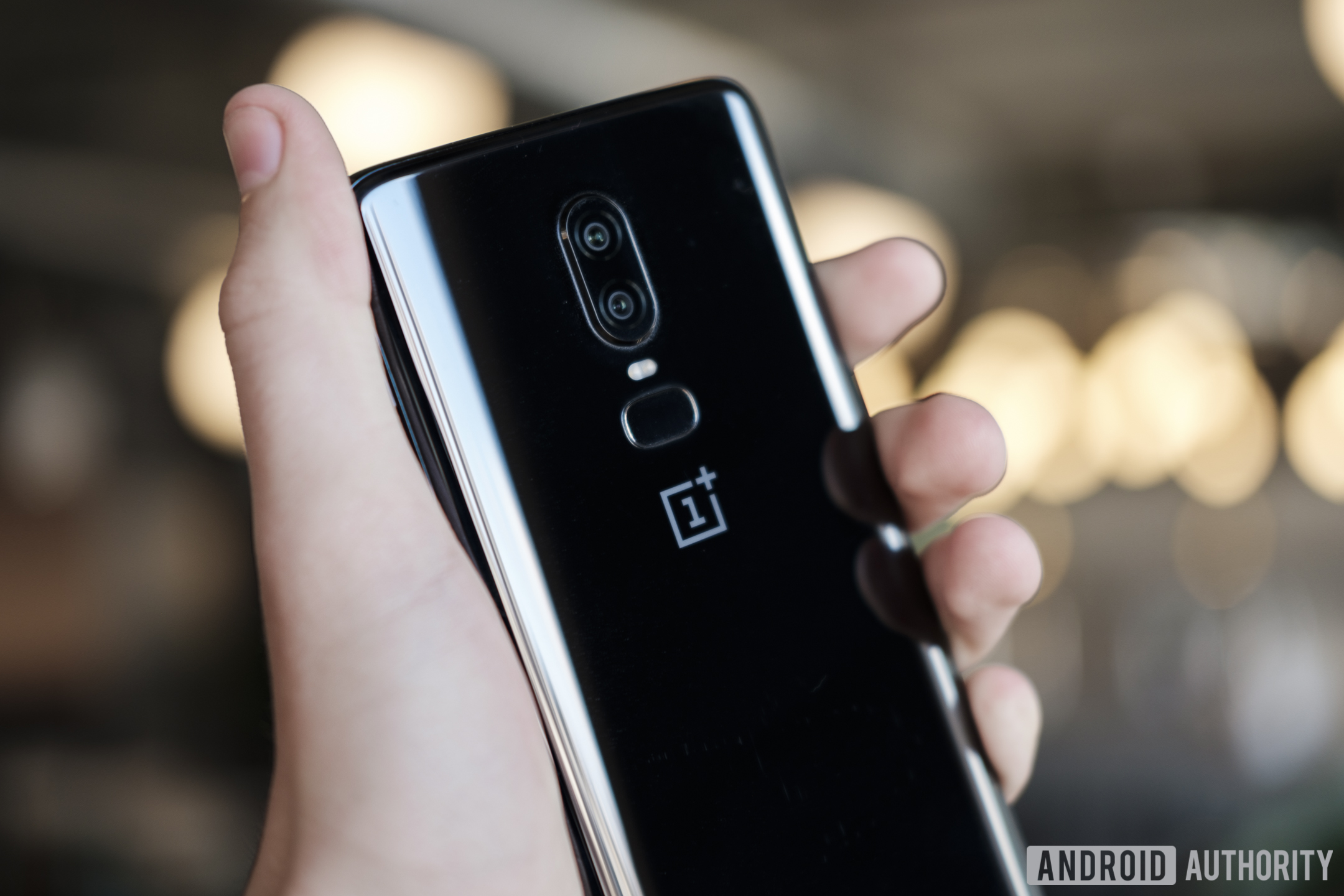
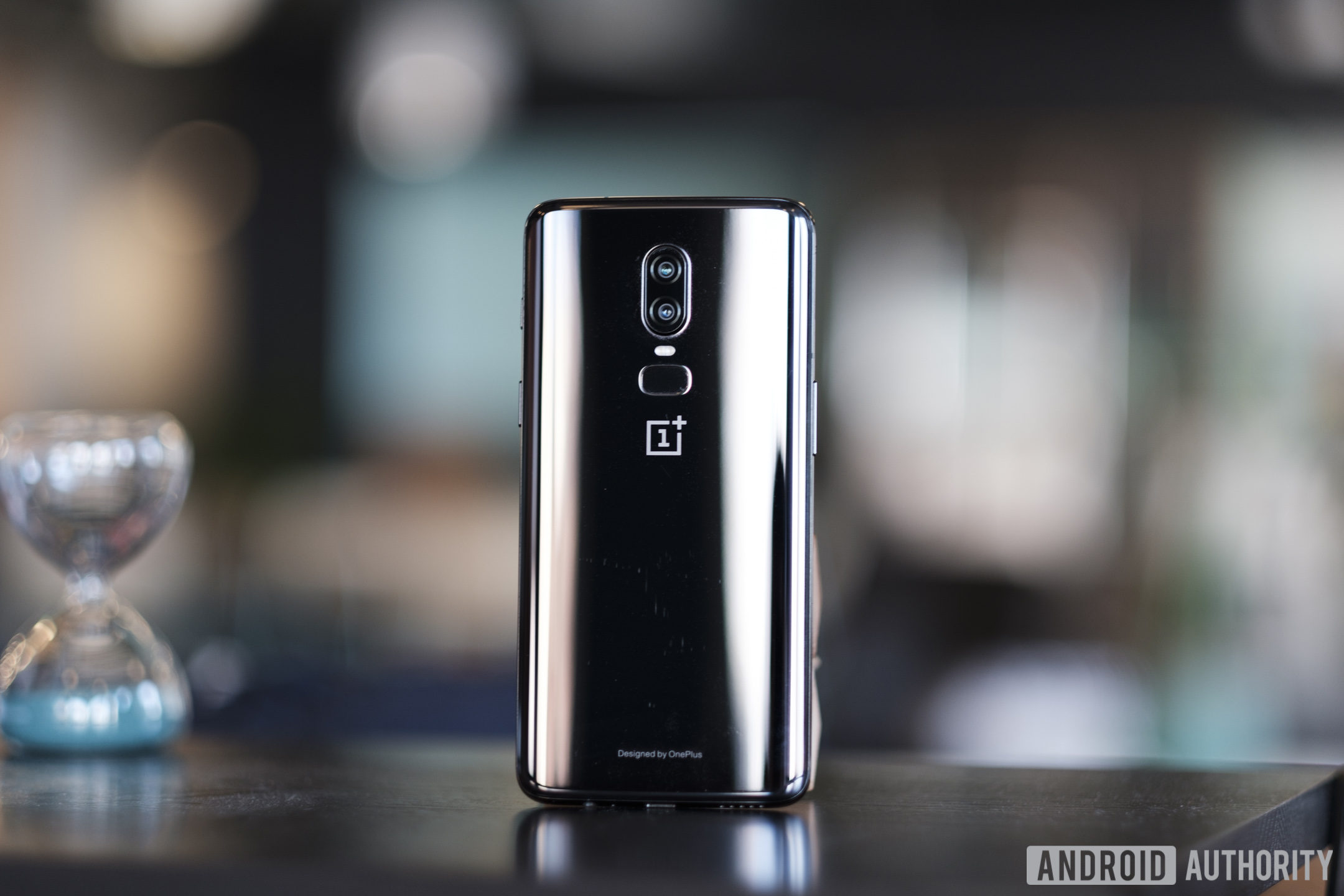
oneplus 6 camera sensors back fingerprint sensor

Overall score: 7.4

The OnePlus 6 is not the phone to buy for its camera. Its hardware is average, and the software could use some improvements. However, the OnePlus 6 can perform in almost all other categories, especially considering its price. This is a high-end device with value, and the manufacturer definitely cut some corners to make it so. Sadly, one of the areas where OnePlus cut costs was the camera (though a 7.6 rating is not too bad).

This camera will take a nice shot, and if you are a photo buff you will certainly enjoy Pro Mode. Just don’t expect it to compete against the big boys in the block — and try not to crop.

Next: OnePlus 6 vs Galaxy S9 Plus vs Pixel 2 XL vs iPhone X camera shootout


from Android Authority https://ift.tt/2vpViBi